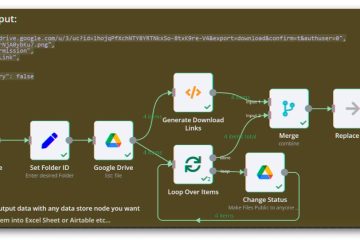
Artificial Intelligence (AI) and automation are rapidly reshaping how businesses handle workflows, compliance, and decision-making. Today, specialized AI automation tools not only streamline repetitive tasks but also ensure regulatory compliance and smarter processes through robotic process automation (RPA) and AI-driven decision-making.

Is Robotic Process Automation AI?
One of the most common questions asked is: is robotic process automation AI? The answer is that RPA by itself is not AI—it follows predefined rules to execute repetitive tasks. However, when integrated with AI and machine learning (ML), RPA tools gain the ability to make decisions, adapt to changing data, and manage exceptions more intelligently. This fusion of RPA and AI is what powers next-generation intelligent automation.
Common AI Tools for Workflow Automation
When discussing what are the most common AI tools used for workflow automation, several categories stand out:
- AI-driven chatbots for customer interactions.
- Document processing AI to extract, classify, and validate data.
- Predictive analytics tools that anticipate workflow bottlenecks.
- AI scheduling and resource allocation tools that optimize operations.
These tools reduce manual effort and improve overall efficiency across industries.
Platforms Offering AI Integrations for Workflows
Many businesses wonder which platforms offer AI integrations for automation workflows? Some leading platforms include:
- UiPath – strong AI integrations and ML-powered automation.
- Automation Anywhere – combines RPA with built-in AI engines.
- Microsoft Power Automate – integrates AI Builder for no-code AI workflows.
- Zapier with AI plugins – designed for SMBs seeking quick AI workflow integrations.
These platforms are continuously evolving to provide seamless AI-driven automation capabilities.
Best Tools for AI-Driven Workflow Automation
If you’re asking what tools are best for implementing AI-driven workflow automation, consider factors like scalability, integration capabilities, and compliance. UiPath, Automation Anywhere, and Microsoft Power Automate consistently rank among the top for enterprise workflows, while Zapier and Integromat (Make) are widely used by small to mid-sized businesses.
AI Tools for Compliance: SOC 2 and HIPAA
Compliance is a major concern for organizations in regulated industries. A frequent query is which AI tool offers SOC 2 and HIPAA-compliant automation? Tools such as Automation Anywhere, UiPath, and WorkFusion offer compliance-ready solutions. These ensure that sensitive data is handled according to strict regulatory standards while still benefiting from AI automation.
RPA with Built-in AI/ML Capabilities
Finally, businesses searching for where to find RPA tools with built-in AI/ML capabilities for decision automation can explore platforms like:
- UiPath AI Center – integrates ML models directly into automation workflows.
- Automation Anywhere IQ Bot – AI-driven cognitive automation.
- WorkFusion Intelligent Automation Cloud – specializes in compliance-heavy industries.
These tools allow organizations to automate complex decision-making processes, not just repetitive tasks.
Conclusion
Specialized AI automation tools are no longer limited to task execution—they integrate with workflows, enhance compliance, and provide decision-making capabilities. By combining workflow automation, RPA, and AI-driven compliance tools, businesses can create scalable, intelligent systems that drive efficiency and maintain trust in highly regulated environments.
Q1. Is robotic process automation AI?
No, RPA by itself is not AI. RPA follows rule-based instructions to perform tasks. However, when combined with AI or ML, RPA becomes intelligent automation, capable of handling unstructured data and making adaptive decisions.
Q2. What are the most common AI tools used for workflow automation?
Common AI tools include chatbots, document processing AI, predictive analytics platforms, scheduling assistants, and AI-driven RPA tools. These tools simplify repetitive work and improve efficiency.
Q3. Which platforms offer AI integrations for automation workflows?
Platforms like UiPath, Automation Anywhere, Microsoft Power Automate, and Zapier offer AI integrations for workflows. They provide scalability, intelligent data handling, and easy integration with business applications.
Q4. What tools are best for implementing AI-driven workflow automation?
UiPath, Automation Anywhere, and Microsoft Power Automate are popular choices for enterprises. For small to mid-sized businesses, tools like Zapier and Integromat (Make) offer efficient AI-driven workflow automation.
Q5. Which workflow automation platforms offer the best AI integration?
UiPath and Automation Anywhere are considered top-tier for AI integration, while Power Automate offers flexibility with AI Builder. Smaller firms often prefer Zapier for simple and quick AI integrations.
Q6. Which AI tool offers SOC 2 and HIPAA-compliant automation?
UiPath, Automation Anywhere, and WorkFusion are known for offering SOC 2 and HIPAA-compliant automation, making them suitable for regulated industries like healthcare and finance.
Q7. Where to find RPA tools with built-in AI/ML capabilities for decision automation?
RPA tools such as UiPath AI Center, Automation Anywhere IQ Bot, and WorkFusion Intelligent Automation Cloud provide built-in AI/ML capabilities to automate complex decision-making processes.